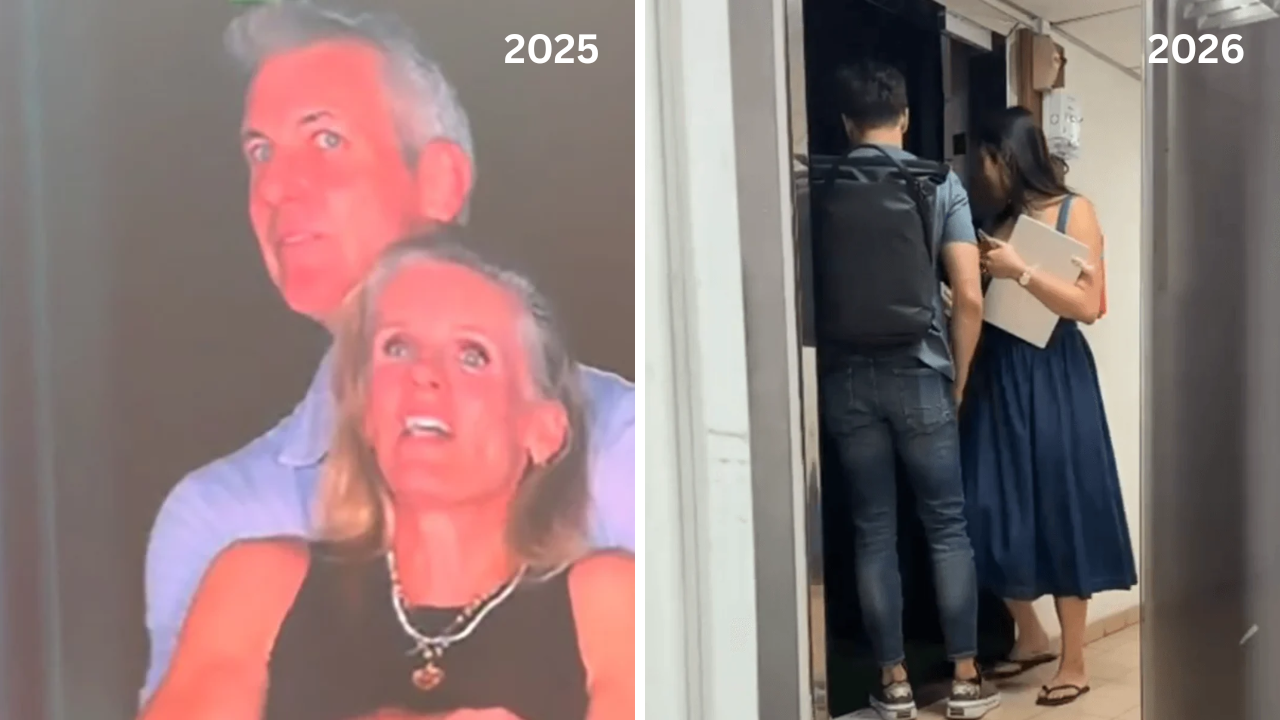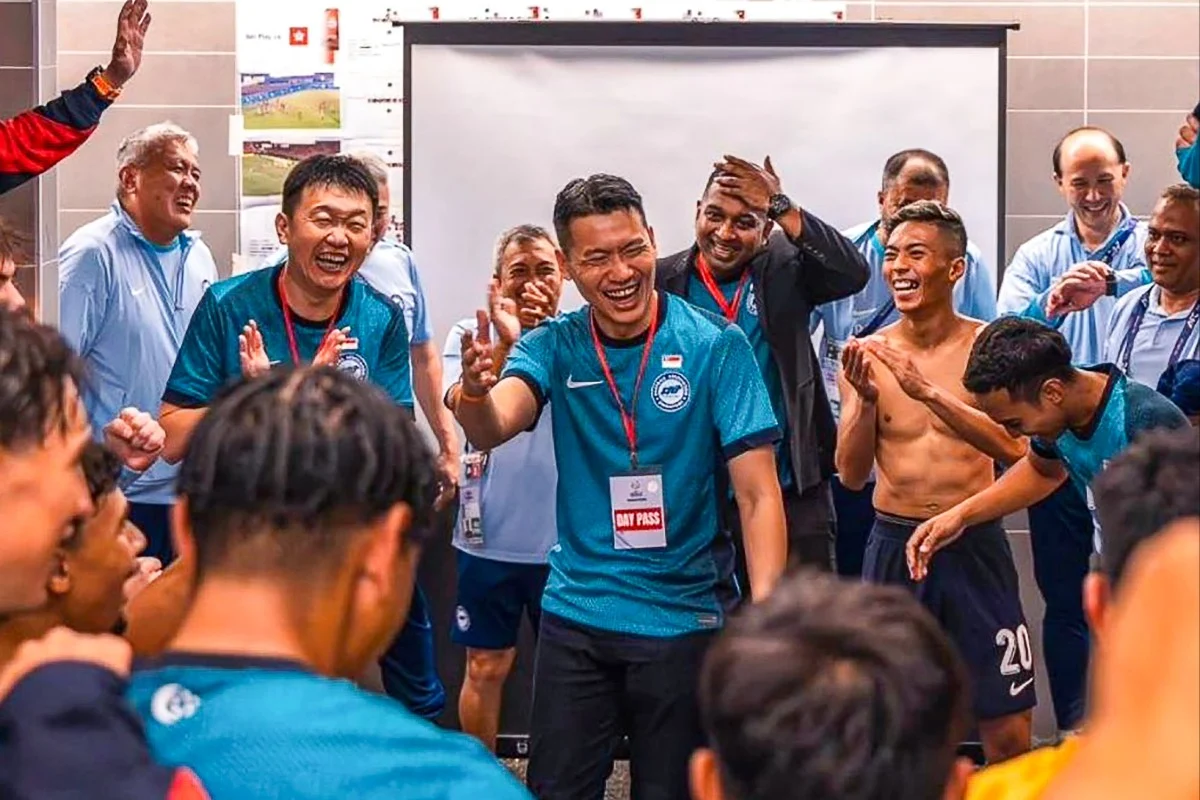
A post-match livestream clip of Acting Minister David Neo celebrating Singapore’s win at an AFC qualifier went viral after he referred to opposing players and their supporters as “idiots.” The clip — reposted across TikTok, Twitter and fan pages — was amplified by influencers and regional reporters, prompting public outrage and a formal request for clarification from the Hong Kong SAR government.
Original reporting: https://www.channelnewsasia.com/singapore/david-neo-walks-back-calling-hong-kong-football-team-fans-idiots-lions-asian-cup-qualifying-5477166
What triggered the incident
- Trigger: A spontaneous, celebratory livestream in which the minister called opposing players and fans “idiots” (reported quotes include lines such as “all the fans were bloody idiots…” — see regional coverage). See South China Morning Post coverage: https://www.scmp.com/sport/hong-kong/article/3333778/singapore-minister-apologises-hong-kong-government-after-football-idiots-insult
- Catalyst: A fan influencer reposted the 30s clip to TikTok and other platforms, adding incendiary captions and hashtags that encouraged sharing and tagging authorities.
How it escalated
- Social media ignited within minutes — TikTok reposts, Twitter threads and Facebook petitions pushed the clip into mainstream feeds. Regional journalists filed rapid queries to government accounts.
- Mainstream outlets then ran pieces summarising the clip and the emerging diplomatic sensitivity, prompting government statements on both sides (Hong Kong’s request for clarification and Singapore’s embassy messages). Hong Kong Free Press reported on the apology and coverage: https://hongkongfp.com/2025/11/19/singapore-official-apologises-after-calling-hong-kong-football-players-fans-idiots-in-video/
The response
- The minister issued a brief Facebook apology describing the moment as “heated” and expressing regret that his words offended people. The language framed the incident as an emotional lapse rather than unequivocal personal ownership — and it arrived amid growing calls for fuller diplomatic outreach.
- The Singapore mission in Hong Kong posted a short message asking for calm and saying it was liaising with partners, but early messaging lacked a clear, unified position and a proactive bilateral outreach path.
The outcome / damage
- Reputational damage: national embarrassment, regional criticism and active petitions from opposing fans.
- Diplomatic friction: Hong Kong publicly asked for clarification and the incident required embassy-level management.
- Media narratives focused on tone-deaf leadership and weak handlings, which prolongs attention and increases reputational cost.
Where it went wrong
Timing and channel choices undermined effectiveness. The apology was short and framed as an off-the-cuff “heated moment” — a defensive posture that failed to satisfy aggrieved stakeholders and the media hungry for an unequivocal acceptance of responsibility. In crisis PR, small delays (even an hour) can let social media define the narrative; here, influencers and reporters owned the first frames.
Message mistakes amplified the fallout. The minister’s wording avoided explicit personal ownership and did not acknowledge diplomatic sensitivities — a missed opportunity to demonstrate empathy and to outline concrete next steps (e.g., private outreach, offers to meet, or clear disciplinary expectations). The embassy’s “monitoring” message read as reactive rather than proactive.
Stakeholder and coordination failures were visible. There was no immediate, single point of truth: social posts, press queries, and embassy statements were not tightly coordinated. That gap made it hard to present a united front to Hong Kong officials — prolonging media coverage and inviting speculation about internal disagreement.
Why crisis comms is difficult
First, speed versus accuracy is a persistent tension. In social-driven incidents like this, the pressure to respond fast can push spokespeople to draft short, defensively worded posts that don’t hold up under scrutiny. But waiting too long lets oppositional narratives harden. Finding the balance is operationally and psychologically demanding.
Second, multiple stakeholders create conflicting priorities. Governments must balance protecting an official, reassuring domestic supporters, and managing bilateral relations. Each stakeholder (the minister, the ministry press office, the embassy, the prime minister’s office, and foreign counterparts) has different risk tolerances and legal considerations. Coordinating those voices under time pressure requires a tested escalation ladder.
Third, message framing is hard in culturally and diplomatically sensitive contexts. An apology that’s authentic domestically might sound insufficient or insincere abroad. The communications team must craft language that acknowledges harm, accepts responsibility, and commits to remediation — while also advising leadership on political and legal implications.
Finally, channels multiply the problem. A clip that begins on TikTok can be edited, clipped, captioned and amplified across Reddit, Twitter, and local fan pages before traditional media picks it up. Each channel demands different formats and tones; managing simultaneous responses requires rehearsed playbooks and pre-approved templates.
This could happen to any organisation
Any executive, corporate leader, or public official who goes live or posts casually faces the same danger. Sports moments, after-work livestreams, or off-the-cuff remarks can quickly morph into reputational and diplomatic crises. Many PR teams have never practiced a coordinated response that includes executive coaching, embassy outreach, and digital takedown/response strategies — and that’s exactly why preparation matters.
Run a crisis simulation based on this incident
David Neo’s crisis unfolded in hours. Their response was improvised. Yours doesn’t have to be.
Atavra lets your team experience a scenario just like this one—complete with stakeholders, escalating events, and the pressure of real-time decision making.
Your executives, legal team, PR staff, and social media managers will practice coordinating their response before the stakes are real.
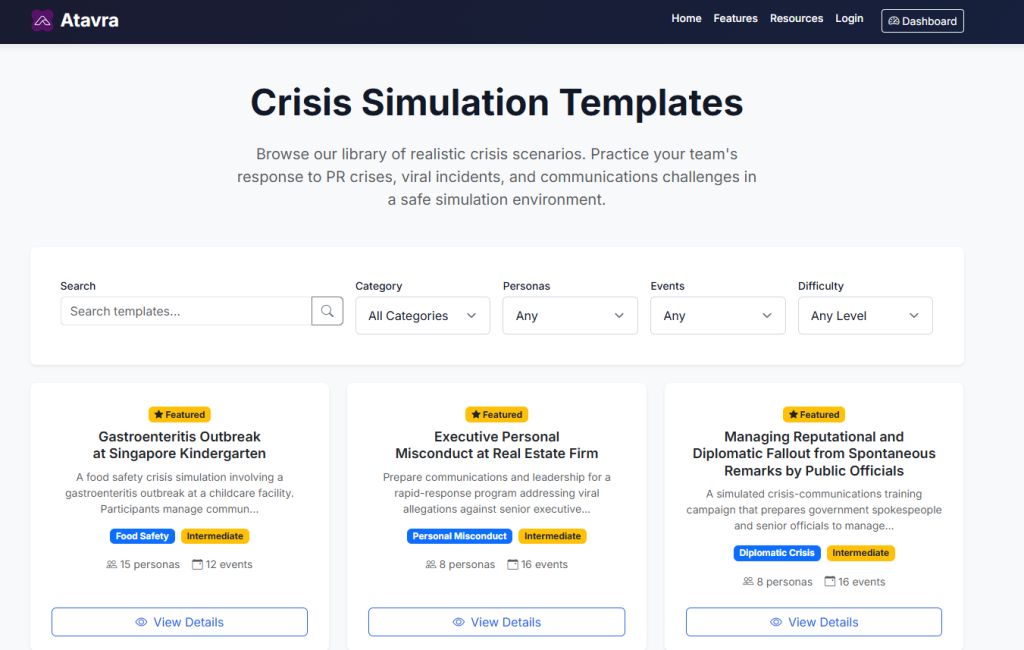
Simulation template includes:
- Persona types: Senior Minister / Executive Leadership, Chief of Staff, MFA / Government Spokesperson, Embassy Liaison, Social Media Manager, Legal Counsel, Media Relations Lead.
- Event types: A TikTok video goes viral, tweets and news articles pick it up, an embassy statement and foreign-government request for clarification, online petitions and fan mobilization.